October 19, 2026
Hot water is one of the unsung heroes of modern home comfort. From steaming morning showers and freshly washed laundry to running the dishwasher after a busy family dinner, you rely on a steady, dependable supply of hot water every single day. Because these appliances work quietly behind the scenes in basements, utility closets, or garages, it is easy to forget about them entirely until something goes terribly wrong. However, waiting until your shower suddenly turns ice-cold or your basement floods can turn a simple replacement into an expensive household emergency. Modern water heaters almost always signal that they are nearing the end of their functional lifespan well before they completely break down. By learning to identify the early warning signs of failure, you can schedule a stress-free replacement on your own timeline, save thousands of dollars on costly water damage repairs, and keep your household running smoothly without disruption.
1. Producing Discolored or Rusty Water
One of the most noticeable indications that your heating system is deteriorating is a sudden change in your water clarity and quality. If you turn on your hot water taps and notice reddish, brownish, or cloudy water flowing from the faucet, your tank may be actively rusting from the inside out. Over time, the internal steel structure degrades due to continuous contact with minerals, dissolved oxygen, and heated water. While traditional water heaters feature a sacrificial anode rod designed to attract corrosive elements away from the tank walls, this rod eventually dissolves completely, leaving the main tank vulnerable to rapid oxidation.
To determine whether the corrosion originates from your heater or your overall home plumbing system, run cold water from the same faucet for a few minutes. If the cold water comes out completely clear but the hot water remains tinted or rusty, the issue lies directly within your heating unit. Once the internal steel lining of a tank begins to rust and corrode, structural integrity is severely compromised, and major leaks are usually not far behind. Continuing to ignore discolored water can lead to ruined clothing, stained fixtures, and an eventual catastrophic tank breach.
2. Making Loud Rumbling or Popping Sounds
It is completely normal for a heating system to make mild humming or gentle rushing sounds while actively warming up cold water. However, if you begin hearing loud knocking, banging, or deep popping noises coming from your utility room, your system is crying out for urgent attention. These aggressive noises are almost always caused by heavy sediment accumulation settling at the bottom of the tank over years of daily operation.
As municipal or well water is heated, minerals like calcium, lime, and magnesium separate and settle at the bottom of the unit. Over months and years, these minerals harden into a dense, solid layer of sediment crust. When the burner or heating element turns on beneath the tank, water trapped underneath this mineral layer boils and pops as it struggles to escape, causing the loud rumbling sounds you hear echoing through your pipes. Hard water mineral accumulation severely shortens the operational lifespan of traditional water heaters because the thick sediment layer acts as an insulator, forcing the unit to run longer, overheat, and place immense structural strain on its bottom welds during every single heating cycle.
3. Pooling Water Around the Base
Standing water or damp spot accumulation near the base of your appliance is a critical warning sign that demands immediate attention. Over thousands of heating cycles, the heavy metal tank undergoes continuous thermal expansion and contraction as water heats up and cools down. Over time, this constant mechanical stress creates microscopic fractures, hairline cracks, and weak points along the seams and connection joints of the tank.
When inspecting a leak, double-check that the moisture is not simply atmospheric condensation running down the cold water supply pipe or a loose fitting at the temperature-pressure relief valve. If the fittings, valves, and surrounding pipes are completely dry, but water continues to collect underneath the unit itself, the internal tank has fractured. Active tank leaks in home water heaters are emergency situations that cannot be repaired with patch kits or temporary epoxy sealants; the entire unit must be shut off, drained, and replaced immediately to prevent major structural flooding, wood rot, and dangerous mold growth.
4. Delivering Inconsistent or Lukewarm Water
Few things are more frustrating than jumping into what should be a hot shower only to be greeted by a lukewarm or freezing trickle. If your household is suddenly running out of hot water much faster than before, or if the water temperature fluctuates unpredictably during normal use, your heating system is rapidly losing its operational capability.
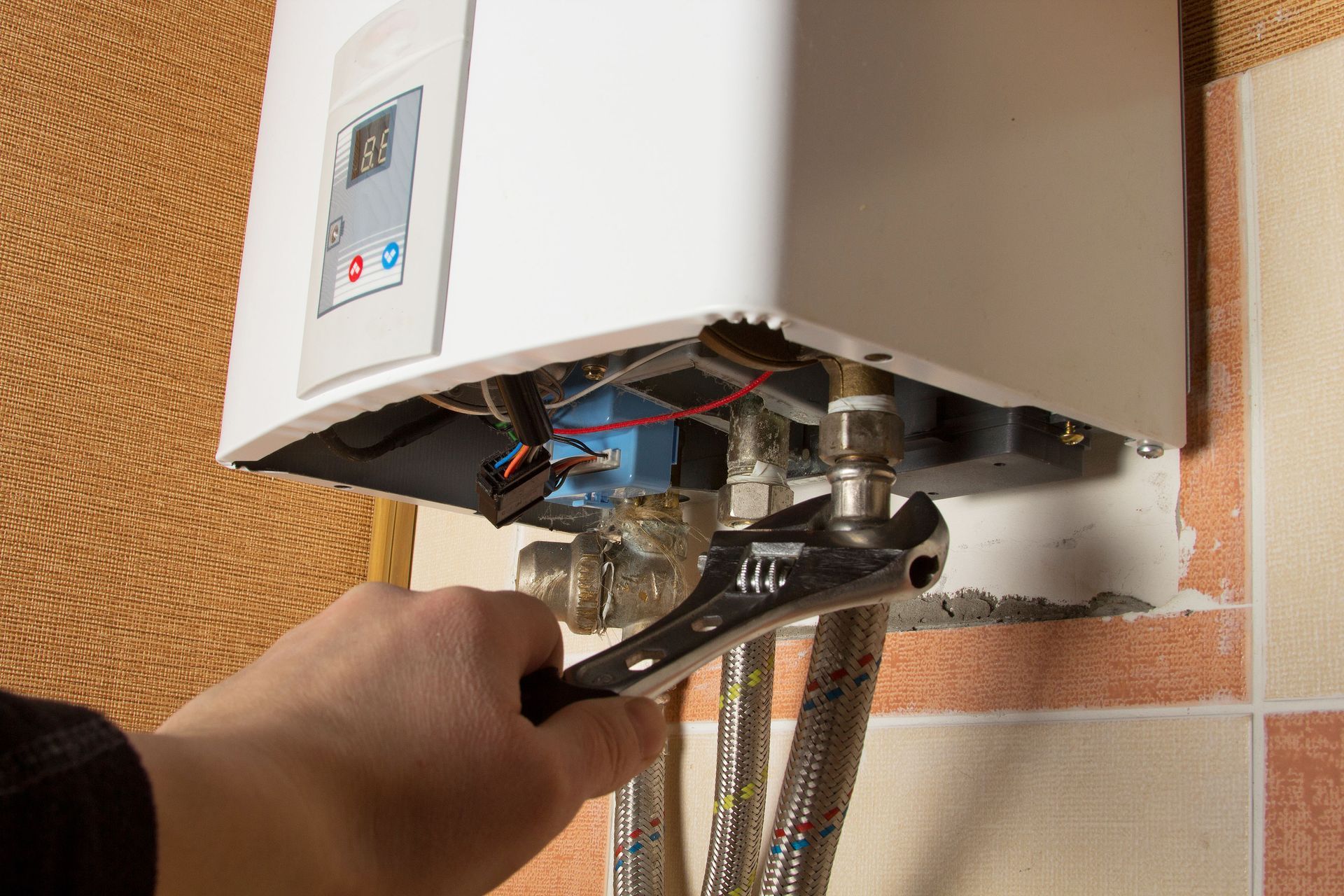
In electric units, inconsistent temperatures often point to a burned-out upper or lower heating element, a faulty thermostat, or wiring damage. In gas units, a weak burner flame, faulty thermocouple, or heavy sediment layer can block heat transfer from reaching the water supply effectively. Broken or cracked dip tubes—which direct cold incoming water to the bottom of the tank for heating—can also allow cold water to mix directly with hot water near the top outlet pipe. When internal components fail or become insulated by debris, they drastically degrade the overall efficiency of residential water heaters, leading to significantly higher monthly energy bills for lower-quality heating performance.
5. Reaching an Advanced Age
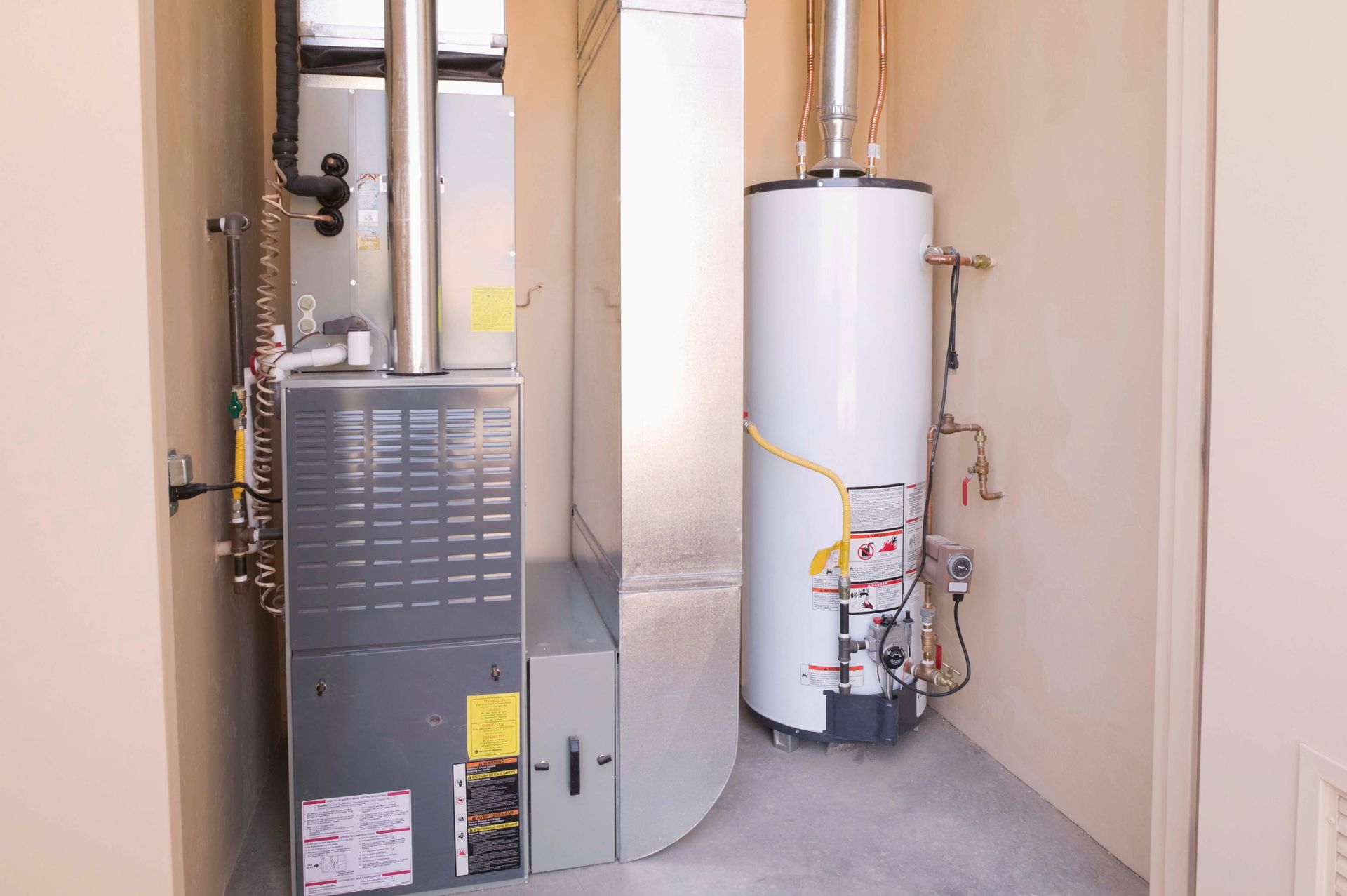
Even a system that seems to be functioning silently and producing hot water may be on the verge of a sudden breakdown simply due to its age. In our experience, most traditional storage tank units are engineered to last between eight and 12 years under normal usage and regular maintenance conditions. If your appliance is approaching or past the decade mark, it is living on borrowed time regardless of how well it appears to be running on the surface.
You can easily check the exact age of your unit by looking at the manufacturer's serial number on the data sticker attached to the side of the tank. The date code is usually formatted with a letter representing the month (e.g., "A" for January, "B" for February) followed by two numbers for the year. If your unit is aging out, upgrading to a modern system can drastically improve your home's overall energy profile and lower utility expenditures. For instance, according to the U.S. Department of Energy, tankless gas models are roughly 8% to 14% more energy-efficient for households that consume around 86 gallons of hot water daily compared to traditional storage tank systems. Investing in new water heaters before your old unit fails allows you to carefully select the best technology for your family's daily needs rather than settling for whatever is available during an after-hours emergency.
Recognizing the early warning signs of a failing heating unit—including rusty tap water, loud rumbling noises, base leaks, inconsistent temperatures, and advanced age—is the single best way to prevent unexpected cold showers and catastrophic property damage. Proactive replacement allows you to compare modern options, select energy-efficient features, and protect your home on your own budget and schedule. Regular inspection and timely replacement of aging water heaters safeguard both your daily household comfort and the overall long-term value of your property.
If you notice any of these red flags, don't wait for a major leak to ruin your day—contact the experienced plumbing team at Choice Plumbing right away. We specialize in fast, reliable inspection, maintenance, and replacement for all types of
water heaters. Call us today to schedule your service appointment and keep your home's hot water flowing reliably!